
Lavender Varieties For Bee-Friendly Borders
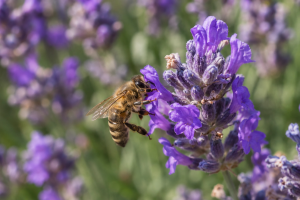
Lavender is a wonderful choice for garden borders, adding gentle colour, soothing fragrance, and abundant blooms that bring a garden to life. For home gardeners, it offers both beauty and purpose. Planted along paths and edging, lavender creates a beautiful display while also attracting bees and other valuable pollinators to the garden.
For gardeners exploring lavender varieties, choice matters more than people often expect. Some lavenders stay compact and tidy making them ideal for edging. Others have a looser, more decorative habit that suits relaxed cottage-style planting. Choosing the right type for your space will help you build a border that looks full and supports pollinators throughout the year.
Why Lavender Is A Smart Choice For Bee-Friendly Borders
Reliable Colour
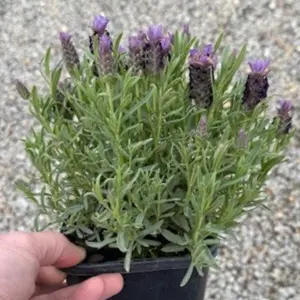
Lavender is a strong choice for borders because it performs well when many other plants begin to look tired. The flowers add soft colour through the warmer months, while the grey-green foliage keeps the planting looking fresh and structured. Even when it is not in full bloom, lavender still helps a border feel neat and well planned.
Bees Are Naturally Drawn To Lavender
One of lavender’s biggest strengths is its appeal to pollinators. The flowers are rich in nectar, and bees can move across them easily while foraging. When lavender is planted in small groups or repeated along a border, it creates a clearer food source and a more active garden space.
Lavender Works In Many Border Styles
Lavender is also easy to fit into different garden looks. Compact varieties can line paths and edges neatly, while taller or looser types suit relaxed cottage-style planting. Gardeners want plants that not only flower well, but also suit the layout and feel of the space they are building.
Lavender Looks Good Beyond Flowering
A good border needs more than flowers alone. Lavender earns its keep because the foliage adds contrast, texture, and shape for much of the year. That means the border still has presence between flowering flushes, which is especially helpful if you want a garden that feels inviting and easy to maintain.
Best Lavender Varieties For Bee-Friendly Borders
Lavender Imperial For Long-Lasting Colour
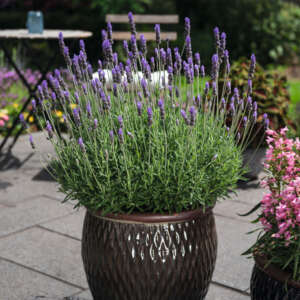
Some gardeners want their lavender border to feel a little more decorative through the warmer months. In that case, Lavender Imperial (French) is a strong fit. French lavender types are often chosen for their showy flower heads and extended display, which makes them especially useful in borders that need colour, movement, and fragrance over a longer period. They also suit a looser, more relaxed planting style.
Lavender Javelin Forte Deep Purple For Bold Impact
If stronger colour is part of the brief, Lavender Javelin Forte Deep Purple gives you a more striking look. This sort of variety works well when you want the border to stand out from a distance or when you need a richer purple tone to anchor lighter companion plants. Used in small drifts, it can help create a clearer landing zone for pollinators and a stronger visual rhythm through the garden.
For A Classic English Lavender Look
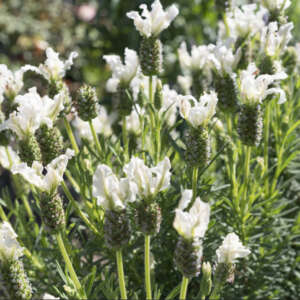
If you want a border with that timeless lavender feel, English lavender varieties are a lovely place to start. They bring the familiar combination of aromatic foliage, upright flower spikes, and soft purple tones that suit cottage gardens, path edges, and sunny mixed borders. Gardeners looking for this classic style can explore options from the Bridestowe Lavender Estate range, which includes English-style lavender choices that work beautifully as a border.
Lavender La Diva For A Softer, Decorative Feel
Garden Express also stocks lavender varieties that suit gardeners looking for something a little more decorative in colour and flower form. Lavender La Diva Vintage Violet is useful where you want that classic purple-violet palette, while Lavender La Diva Papillon White can lighten the border and break up deeper tones. These kinds of choices are especially handy if you want a bee-friendly planting scheme that still feels considered and styled.
How To Choose The Right Variety
The best lavender for your border depends on the effect you want to create. If your goal is a neat edging plant, look for varieties that hold a compact shape. If you want a softer cottage-garden feel, choose more decorative forms and repeat them in groups. For the strongest overall result, it usually works better to plant one or two lavender varieties in generous drifts rather than mixing too many different types in small numbers. That gives the border a cleaner look and creates a more inviting feeding area for bees.
How To Plant & Style Lavender In A Border
-
Start With A Sunny Position
Lavender performs best where it gets plenty of sun. For a border, that matters for both flowering and overall plant shape. In a bright, open spot, plants stay neater, flower more freely, and create the kind of warm, inviting border that bees are more likely to visit throughout the day.
-
Give Each Plant Good Drainage And Space
Healthy lavender starts with the right footing. It prefers well-drained soil and enough space around each plant for airflow. In a border, crowding can make the planting look heavy and can lead to weaker growth over time. A little breathing room helps each plant hold its shape and makes the whole border look cleaner and more deliberate.
-
Repeat Varieties In Small Drifts
One of the easiest ways to make a lavender border look more polished is to repeat the same variety in small groups. That creates a stronger visual rhythm and makes the planting easier for the eye to follow. It also gives bees a clearer run across the flowers, which can make the border feel more active and alive.
-
Mix Lavender With Other Pollinator-Friendly Flowers
Lavender works well on its own, though it can also be paired with other flowering plants to build a richer border. If you want to widen the garden’s appeal to pollinators, it makes sense to combine it with other bee- and butterfly-friendly choices. Garden Express has a helpful guide to plants that attract butterflies, which can give readers more ideas for extending the planting beyond lavender alone.
-
Keep The Overall Look Simple
A bee-friendly border does not need to be crowded to feel generous. In fact, lavender often looks better when the layout is kept simple. Repeating one or two well-chosen varieties usually creates a stronger result than mixing too many colours, heights, or flower forms in a small space. The border feels calmer, the planting reads more clearly, and the flowering has greater impact from a distance.
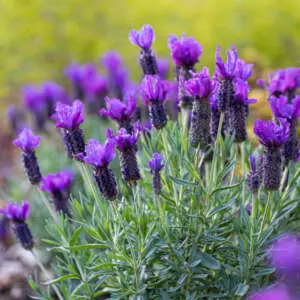
Choosing The Right Lavender For Your Garden
The best lavender border usually starts with a simple decision. Do you want a neat, structured edge, or a softer, more decorative display? Compact varieties suit paths, smaller beds, and formal layouts, while bolder flowering types work well in relaxed borders where colour and movement matter more.
If you are planning a bee-friendly border, repeating one or two well-chosen lavenders will usually give you the best result. The planting looks cleaner, the flowers have more impact, and the space becomes more inviting for pollinators. To explore more options, browse the full Garden Express lavender range.
Lavender FAQ
Which lavender is best for bees in Australia?
Lavender varieties with plenty of open flowers and a long display are a great choice for bees. In most gardens, the best result comes from planting several lavenders together rather than using a single plant on its own.
Does lavender grow well in Australian summers?
Yes, lavender is well suited to sunny Australian gardens that aren’t too humid. They do better when planted in a spot with good drainage. It’s a popular choice for summer borders because it offers colour, fragrance, and structure through the warmer months. It’s worth noting that lavender does not do well in tropical or sub tropical areas as the humidity is known to cause fungal issues.
Can lavender be used as a border plant?
Yes. Lavender is one of the best plants for bordering paths, garden beds, and informal cottage-style borders. Compact forms create a neat edge, while taller varieties give a softer and more relaxed look.
How much sun does lavender need?
Lavender grows best in full sun. A bright open position helps plants flower more freely, keep a better shape, and stay healthier throughout the year.
Where can I buy lavender plants in Australia?
You can browse a wide range of lavender plants on the Garden Express lavender page. It’s a great place to compare varieties for borders, edging, and pollinator-friendly planting.



Comments are closed.