
Easy Lawn Alternatives Australia | Greener Gardens With Less Maintenance
A lawn doesn’t need to be high-maintenance to look good. If your tired grass has turned into another weekend chore, it may be time to rethink what your garden can look like.
Low-mow lawn alternatives like mondo grass, native groundcovers and drought-tolerant planting can keep outdoor areas green without constant mowing and watering. The right choice can soften paths, fill awkward bare patches and create a lush garden that’s better suited to Australian sun and heat.
Why Replace Traditional Lawn?
Lawns Can Struggle In Australian Heat
A green lawn can look great in spring, then fade fast once the heat settles in. In exposed front yards, narrow side strips and areas beside concrete or brick, turf often dries out quickly. Keeping it lush through summer can mean more time spent trying to bring stressed grass back to life.
Mowing Takes Time Every Week
Traditional turf doesn’t look after itself. It needs mowing, edging, feeding and regular attention, especially during active growing seasons. For busy households, that can turn a small patch of grass into another weekend job.
Lawn Alternatives Australia-Wide Gardeners Can Use
Low-mow groundcovers are a practical option for areas that don’t need to work like a sports field. Mondo grass can help create a neat, evergreen edge around paths or garden beds. Native groundcovers can spread through bare patches and bring a softer, more natural look. Native grasses can add movement and texture in larger garden spaces.
Drought Tolerant Lawn Alternatives Need Less Fuss
The right drought tolerant lawn alternatives can cope better once their roots are established. They still need watering and weed control while they settle in, but many won’t need the same level of mowing, feeding and summer rescue work as traditional turf. For hot dry gardens, that can make the whole outdoor space easier to manage.
Where Low-Mow Lawn Alternatives Work Best
-
Front Gardens That Don’t Need Heavy Foot Traffic
Most front lawns are typically designed for street appeal. If the area is mainly viewed from the driveway, footpath or front window, low-growing plants can often do the job with less mowing and watering.
Native groundcovers work especially well in these spaces. They can fill gaps between shrubs, spill over garden edges and create a relaxed green layer that feels more interesting than a flat patch of turf.
-
Narrow Strips Beside Paths And Driveways
Thin lawn strips can be awkward to mow and easy to scalp with the mower. They also dry out quickly. Mondo grass is a strong option for these tight areas. It gives a neat, strappy look and doesn’t need the same regular trimming as traditional turf.
-
Around Stepping Stones
Groundcovers can make stepping stone paths feel softer and more settled into the garden. Instead of bare soil or patchy grass between pavers, you can use low-growing plants to create a more finished look.
Choose plants based on how often the path is used. A quiet side path can handle softer planting. A daily walkway to the clothesline, bins or back gate needs tougher choices and wider stepping stones to protect the plants.
-
Slopes And Awkward Mowing Spots
Sloped areas can be annoying to mow, especially when the soil is dry or uneven. These spots are often better planted out with native groundcovers or native grasses that help cover the soil and reduce the need for regular cutting.
This approach can also make the space feel more natural. Around rocks, retaining walls and timber edging, low-mow planting tends to look settled rather than forced.
-
Dry Corners And Hot Garden Edges
Some patches of lawn never seem happy. They might sit near a north-facing fence, beside a driveway, or in a corner where heat builds through the afternoon.
Drought tolerant lawn alternatives are worth considering in these areas. Once established, many can cope with tougher conditions than standard turf, especially when the soil has been improved before planting and mulch is used between young plants while they fill in.
Best Lawn Alternatives Gardeners Should Consider
Mondo Grass For A Neat, Evergreen Look

Mondo grass is one of the most popular lawn alternatives in Australia because it gives a tidy, green finish without constant mowing. It grows in dense clumps with deep green, strappy foliage, which makes it useful around pathways, garden beds, courtyards and stepping stones.
For a simple, reliable option, Mondo Grass Green is a strong pick. It’s suited to full sun through to part shade, needs little water once established, and works well for edging borders or filling gaps where turf keeps thinning out. It grows to around 30cm high, so it’s better used as a low-mow groundcover than a flat play lawn.
Use it where you want structure. Think of the narrow strip beside a paved path, the base of a fence, or a shaded courtyard edge that needs a clean green finish.
Native Groundcovers For Heat, Habitat And Colour
Native groundcovers are a smart choice when you want lawn alternatives that feel naturally suited to Australian conditions. They are hardy, low-growing plants that can provide dense foliage, erosion control and a natural weed barrier, which makes them especially useful for exposed beds, banks and open garden gaps.
They’re also more interesting than a plain patch of grass. Some creep tightly across the soil, while others spill over rocks, flower through the season or soften the edge of retaining walls. In a hot front garden, native groundcovers can help cover bare soil, reduce the need for constant weeding and bring in bees and other helpful insects.
They’re a good fit for larger areas where you want coverage and resilience, rather than a surface that gets walked on every day.
Native Grasses For A Natural Low-Mow Landscape
Native grasses suit gardeners who want a softer, more relaxed look than clipped turf. They won’t create the same flat surface as lawn, but they bring movement, texture and year-round interest to Australian gardens.
Native grasses are useful for water-wise landscaping, erosion control, wildlife habitat and softening garden beds. That makes them a practical option for sunny front gardens, dry borders, slopes and modern native landscapes where regular mowing doesn’t make sense.
Use native grasses around gravel paths, timber edging, rocks or feature trees. Once they fill out, they can make a garden feel planted and settled without needing the same weekly attention as turf.
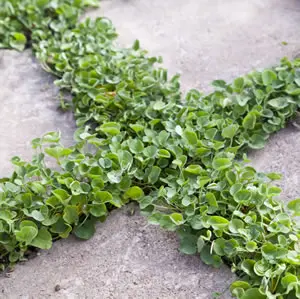
Dichondra For A Soft, Lawn-Like Finish
Dichondra repens, also known as kidney weed, creates a low, soft carpet of small rounded leaves. It’s native to parts of Australia and New Zealand, and it can work well as a lawn-like groundcover in areas that aren’t constantly being walked over.
It’s especially useful between pavers, around stepping stones and in areas where you want that lush green look without mowing. Dichondra prefers full sun, although it can also grow in partly shaded positions.
Dichondra does spread, which is part of what makes it useful for coverage. In tight spaces, use hard edges such as paving, garden edging or paths to keep it where you want it. You can also trim back new surface runners if they start moving into nearby beds.
How To Choose The Right Lawn Alternative
Start With Sun And Shade
Before choosing a plant, watch the area across the day. A front verge in full afternoon sun needs a much tougher plant than a side path that gets morning light and shade from the house after lunch.
For hot, open spots, drought tolerant lawn alternatives such as native groundcovers and native grasses are usually the safest place to start. For more protected areas, mondo grass and dichondra can give a softer, greener finish, especially around paving, courtyards and garden edges.
Consider Foot Traffic
Not every lawn alternative is made for daily walking. A few steps to reach the letterbox is very different from kids running across the same patch every afternoon or a dog wearing a track along the fence.
For busy access areas, use stepping stones, gravel paths or pavers through the planting. This protects the plants and keeps the space practical. Groundcovers can then soften the edges and fill the gaps without being crushed every day.
Match The Plant To Your Watering Habits
Low-maintenance doesn’t mean plant it and forget it. Even tough groundcovers need regular water while they’re settling in, especially through their first summer.
If you rarely water, choose plants known for heat and dry tolerance once established. Native groundcovers and native grasses are often a better fit for exposed spots, while mondo grass and dichondra usually perform best where the soil doesn’t dry out completely for weeks at a time.
Think About Aesthetics
Some lawn alternatives create a neat, clipped look. Others feel looser and more natural. Mondo grass works well if you like clean borders, tidy edges and a structured garden style.
Native groundcovers suit a more relaxed Australian garden, especially when they’re allowed to spill around rocks, paths and shrubs.
Native grasses give height, movement and a soft meadow-like feel, which can look beautiful in larger front gardens and dry landscapes.
Choose For The Real Job
The best choice comes down to what the area needs to do. Is it there for street appeal? Does it need to hide bare soil? Will it sit between stepping stones? Is it replacing a patch of lawn that never grows well?
Once you know the job, the plant choice becomes much easier. A quiet courtyard edge might suit mondo grass. A hot bank could be better with native groundcovers. A large, sunny garden bed may call for native grasses that can handle space, heat and wind.
How To Establish A Low-Mow Groundcover Lawn
A low-mow lawn alternative still needs a good start. Good preparation helps plants settle in faster and cover the soil more evenly.
- Clear the area properly: Remove old turf, weeds and grass runners before planting. Couch, kikuyu and oxalis can push back through young groundcovers if roots are left behind.
- Improve the soil: Loosen compacted ground with a garden fork, then mix through compost or soil conditioner. This is especially helpful near driveways, paths and brick walls, where soil can dry out fast.
- Plant for coverage: Space plants closer together if you want the area to fill in quickly. Use wider spacing for larger areas if you’re happy to weed while the plants spread.
- Water during establishment: Give the area a deep soak after planting, then keep the soil lightly moist while new growth appears. Even drought tolerant lawn alternatives need support at the start.
- Mulch between young plants: Add a light layer of mulch to hold moisture, cool the soil and slow weed growth. Keep it away from stems and crowns.
- Tidy as plants spread: Trim runners, neaten edges and pull small weeds through the first season. Once the groundcovers thicken, maintenance usually becomes much easier.
Benefits Of Switching To Drought Tolerant Lawn Alternatives
Swapping unused lawn for drought tolerant lawn alternatives can make the garden easier to manage, especially in hot, exposed spots where turf keeps thinning out.
Key benefits include:
- Less mowing and edging: Groundcovers like mondo grass and native groundcovers don’t need the same weekly cutting as traditional turf.
- Lower water use once established: Many native groundcovers and native grasses cope better with dry spells after their roots settle in.
- Better coverage in awkward spaces: Low-growing plants can soften narrow strips, slopes, path edges and bare patches where lawn is hard to maintain.
- More texture and colour: Flowering groundcovers, strappy foliage and native grasses bring more interest than a flat patch of turf.
- Support for garden life: Native groundcovers can attract bees, small insects and other beneficial wildlife.
- Long-term savings: Less mowing, watering, feeding and lawn repair can reduce ongoing costs and weekend maintenance.
Shop Lawn Alternatives With Garden Express
The best lawn alternative is the one that suits the space you’re working with. A hot front garden, a shaded side path and a low-traffic courtyard all need slightly different planting.
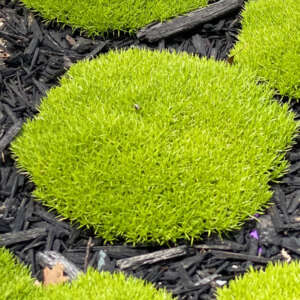
For a tidy, evergreen look around paths, borders and stepping stones, mondo grass is a reliable place to start. If you’re replacing unused turf in a sunny garden bed, on a slope or across a larger bare patch, native groundcovers can bring coverage, flowers and a more natural Australian feel. For larger landscapes where you want movement, texture and a softer planted look, native grasses are a strong option.
Low-mow planting doesn’t need to look messy or unfinished. With the right groundcover, good soil preparation and a little care while plants settle in, you can create a greener outdoor space that handles Australian sun and heat with far less mowing.
Lawn Alternatives FAQ
What Is The Best Low-Maintenance Lawn Alternative In Australia?
Mondo grass and native groundcovers are two of the most practical choices for Australian gardens. Mondo grass suits neat edges, pathways and low-traffic areas, while native groundcovers are better for larger garden beds, slopes and hot exposed spaces.
What Is The Best Lawn Alternative For Full Sun In Australia?
Native groundcovers and native grasses are usually the best place to start for full sun. Many are well suited to Australian heat once established, especially when planted into improved soil and watered properly during their first growing season.
Can You Walk On Lawn Alternatives?
Some lawn alternatives can handle light foot traffic, but most won’t cope with the same wear as traditional turf. For regular access, use stepping stones, pavers or gravel paths through the planting so the plants can grow around the walkway without being crushed.
Do Lawn Alternatives Need Mowing?
Most lawn alternatives need very little mowing compared with traditional turf. Mondo grass may need occasional tidying, native groundcovers can be trimmed if they spread beyond their space, and native grasses usually need seasonal shaping rather than weekly cutting.
Are Native Groundcovers Good Drought Tolerant Lawn Alternatives?
Yes, many native groundcovers are good drought tolerant lawn alternatives once they’re established. They can help cover bare soil, reduce exposed dry patches and bring flowers, texture and habitat into the garden.
Will Lawn Alternatives Spread Like Weeds?
Some groundcovers spread faster than others, so plant choice matters. Use edging, paths or regular trimming to keep spreading plants where you want them, especially near garden beds, paving and lawn areas you plan to keep.



Comments are closed.