
The Power of Gardening Condiments – Fertilisers, Tonics & Soil Improvers
Every thriving garden relies on a few quiet helpers in the background. Fertilisers, garden tonics and soil improvers act like gardening condiments, lifting colour, boosting growth and keeping plants strong when the weather turns tough.
When you know how these plant care products work, it’s easier to boost garden soil fertility, choose the right garden fertiliser for each bed and give plants the support they need to root deeply and recover from stress. With a small, well-chosen kit of organic plant boosters, tonics and soil improvers from Garden Express, even tired soil can turn into a healthier base that rewards you with better blooms, tastier harvests and a more resilient garden.
What Are Gardening Condiments?
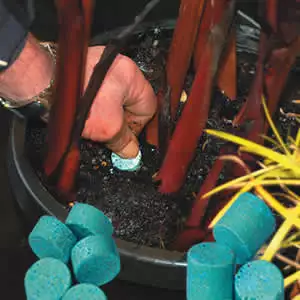
Gardening condiments are the extras that take plants from surviving to thriving. They sit alongside water, sunlight and good soil, giving gardens a boost when nutrients run low or conditions get tough.
In simple terms, gardening condiments usually fall into three groups:
- Fertilisers add nutrients so plants can grow, flower and fruit.
- Garden tonics support plant health, helping roots, leaves and stems cope with stress.
- Soil improvers change the structure and quality of soil so it holds water and nutrients more effectively.
Understanding Fertilisers
Fertilisers are concentrated food for plants. They supply key nutrients like nitrogen for leafy growth, phosphorus for roots and flowers, and potassium for overall strength. A lawn feed, a tomato fertiliser or a slow-release pellet for garden beds all work by topping up these nutrients so plants keep growing steadily instead of running out of fuel.
Understanding Garden Tonics
Garden tonics are more like vitamins than full meals. They often contain seaweed extracts, trace elements or gentle organic ingredients that help plants handle heat, cold snaps, transplant shock and pruning. A seaweed tonic after planting new seedlings, for example, helps roots settle in faster and reduces wilting.
Understanding Soil Improvers
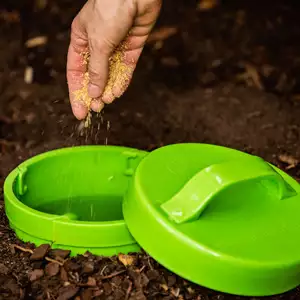
Soil improvers work on the soil itself. They boost organic matter, open up heavy clay, help sandy soils hold water or refresh tired beds that have grown crops for several seasons. Compost, manures, gypsum, wetting agents and specialised soil conditioners all sit in this category, turning poor soil into a better home for roots.
Fertilisers Feed Your Plants
Fertilisers keep plants supplied with the nutrients they need for steady growth, flowers and fruit. A good garden fertiliser supports leaves, roots and overall strength, so plants cope better with everyday stress and seasonal changes.
Types Of Fertilisers For Garden Plants
Gardeners usually reach for a mix of formats, each with its own strengths.
- Slow-release pellets
Ideal for garden beds, shrubs and pots. Pellets break down over time and give a steady supply of nutrients. Handy for busy gardeners who want reliable feeding with minimal effort. - Liquid fertilisers
Mixed with water and applied with a watering can or hose-on bottle. Liquids act quickly, which suits vegie beds, flowering annuals and container plants that respond well to regular, light feeds. - Specialty blends
Formulated for particular plant groups, such as lawns, citrus, natives or roses. These fertilisers balance nutrients to match common needs, for example lower phosphorus for native gardens or extra potassium for strong flowering and fruiting. - Organic plant boosters
Made from natural ingredients such as composted manures, seaweed and fish products. Organic feeds support soil life as well as plant growth and suit gardeners who want a gentler, more soil-friendly approach.
A mix of these gives flexibility. Pellets can look after the background feeding, while liquid fertilisers and specialty products target plants that need a bit more attention.
How And When To Apply Fertilisers
Timing and method matter as much as the product itself.
- Lawns
Feed warm-season lawns in spring and early summer for strong growth, then again in late summer if needed. Water before and after applying pellets so granules settle in and do not scorch the blades. - Vegie patches
Add a base of slow-release or organic fertiliser when preparing the bed. During the growing season, top up with a liquid feed every fortnight or so, especially for hungry crops such as tomatoes, corn and leafy greens. - Pots and containers
Use a controlled-release fertiliser when planting, then support with regular liquid feeds because nutrients wash out of pots quickly. Check labels for frequency and avoid piling pellets against stems. - Native gardens
Choose low-phosphorus fertilisers labeled as safe for natives. Apply sparingly in late winter or early spring, and always follow the recommended rate. Many natives prefer leaner soils and respond well to light feeding.
Fertiliser Ideas From Garden Express
Garden Express stocks a wide range of fertilisers for garden plants, from slow-release pellets and lawn foods to liquid feeds and organic plant boosters. Matching these products to plant types and soil conditions makes feeding simpler and more effective, whether the focus is a neat front lawn, a productive vegie patch or a bed full of roses and perennials.
Tonics Boost Plant Vitality
Garden tonics sit alongside fertilisers as powerful plant care products. They support overall health, help roots explore the soil and keep foliage looking fresh after heat, wind or pruning. Many gardeners treat them as garden growth enhancers, a gentle way to keep plants in good shape across the year.
Benefits Of Using Garden Tonics
Well-timed garden tonics can make a clear difference in plant resilience. They can:
- Help new plantings settle in with stronger root systems.
- Reduce transplant shock after moving shrubs, trees or seedlings.
- Support recovery after heatwaves, frosts or dry periods.
- Improve leaf colour and general vigour in tired plants.
- Encourage better flowering and fruit set when used alongside fertilisers.
Used regularly, tonics build up plant strength so beds, pots and hanging baskets cope with everyday stress more easily.
Popular Garden Tonics And How To Use Them
Different tonics suit different tasks. A small selection covers most home gardens.
- Seaweed tonics
Made from kelp extracts, seaweed products focus on root growth and stress tolerance. They work well at planting time and after pruning or harsh weather. Mix with water as directed and drench both soil and foliage. - Fish-based emulsions
These liquid feeds deliver gentle nutrition plus organic compounds that support soil life. They suit vegie gardens, herbs and flowering annuals. Apply every couple of weeks during active growth, avoiding the hottest part of the day. - Trace element mixes
Designed to correct minor deficiencies, these products top up elements such as iron, magnesium and manganese. They often come as foliar sprays. Follow the label carefully and only use when plants show signs of deficiency, such as pale leaves or interveinal yellowing. - Combined tonic and fertiliser blends
Some liquid products offer a mix of nutrients and tonic ingredients. These suit gardeners who prefer a simple routine, with one regular feed that covers maintenance needs for many container and garden plants.
Always read the product label, mix at the recommended rate and water in well if instructed. Gentle, regular use tends to work better than heavy, occasional doses.
When To Reach For A Garden Tonic
A few common situations call for a bottle of tonic.
- Planting and transplanting
Soak seedlings, shrubs and trees in a dilute seaweed solution before planting, then water them in with the same mix. This encourages faster root growth and reduces wilting in the days that follow. - After stress events
When plants have faced strong heat, unexpected frost, windburn or temporary dryness, a seaweed or combined tonic can support recovery. Apply in the cool of the day so leaves can absorb the solution. - Ongoing support for hungry plants
Heavy feeders such as roses, fruit trees and many veggies respond well to a monthly tonic during the growing season. Combine this with a balanced garden fertiliser and appropriate soil improvers for steady, reliable performance.
Keeping one or two versatile garden tonics on hand gives gardeners a simple way to protect their investment in plants and keep growth on track through the ups and downs of Australian weather.
Soil Improvers Build Better Garden Soil
Fertilisers and tonics work best when the soil itself is in good shape. Soil improvers focus on that foundation, helping beds, borders and pots hold water, drain well and supply a steady flow of nutrients.
Types Of Soil Improvers
Most soil improvers fall into a few practical groups.
- Organic matter
Compost, manures and well-rotted organic blends add carbon and nutrients, feed soil microbes and improve structure over time. They suit vegie patches, ornamental beds and fruit trees. - Structure improvers
Products such as gypsum loosen heavy clay, opening up tight soil so roots can move and water can drain. Other soil conditioners are blended to refresh tired soils that have grown crops for several seasons. - Water-holding aids
Wetting agents help water soak into hydrophobic sandy soils and potting mixes. Water crystals hold moisture close to the root zone, which benefits baskets, tubs and hot, exposed beds. - Mulches
Bark, straw and other mulches protect the soil surface, reduce evaporation and keep roots cooler. Many mulches slowly add organic matter as they break down.
A small selection from each group can handle most soil problems in home gardens.
How To Boost Garden Soil Fertility
Good soil feels crumbly, drains freely without drying out too fast and supports dense, fine roots. If the ground bakes hard in summer, cakes into clods in winter or turns dusty when dry, soil improvers can help.
A simple approach works well:
- For heavy clay soils
- Spread gypsum over the surface at the rate on the bag.
- Fork it in lightly without bringing up more clay from below.
- Add a thick layer of compost or organic soil conditioner.
- Top with mulch and water deeply to start the process.
- For sandy or coastal soils
- Mix compost or well-rotted manure through the top layer to hold nutrients.
- Apply a quality wetting agent at the start of the warm season.
- Use mulch around plants to shade the soil and slow water loss.
- For tired vegie beds
- Remove old roots and crop residue.
- Dig in compost, organic fertiliser and, if needed, a soil conditioner.
- Rest the bed for a short period or plant a green manure crop before the next round of vegetables.
Regular additions of organic matter, along with mulch and appropriate conditioners, keep soil fertility moving in the right direction year after year.
Soil Improvers From Garden Express
Garden Express offers a wide range of soil improvers to match different garden conditions, including composts and organic blends, gypsum and other soil conditioners, wetting agents and water crystals. Choosing products that suit local soil type and climate gives fertilisers and tonics a better base to work from, leading to stronger root systems, healthier foliage and more reliable results across the whole garden.
Bring Your Gardening Condiments Together with Garden Express
Fertilisers, garden tonics and soil improvers work best as a team. Fertilisers keep nutrients up so plants grow, flower and fruit steadily, tonics help roots and foliage stay resilient through heat, pruning and transplanting, and soil improvers build a richer, more stable base that holds water and feeds soil life. Used with a bit of thought for local soil, climate and plant choice, these gardening condiments turn patchy growth into stronger roots, better colour and more reliable harvests.
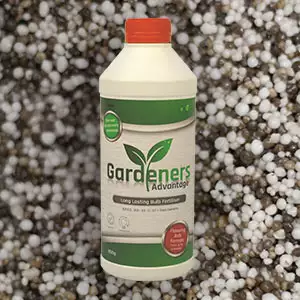
Garden Express makes it easy to put that toolkit together, with a wide range of fertilisers and soil conditioners for lawns, vegies, ornamentals and natives, along with the broader garden care range for soil improvers and plant care products. Browse the options that match your garden style, start a simple feeding and soil-care routine, and let those gardening condiments lift the whole garden, season after season.
Gardening Condiments FAQ
What Are The Best Gardening Condiments For Beginners?
A good starter kit includes an all-purpose garden fertiliser, a seaweed-based tonic and a bag of compost or organic soil conditioner. That mix covers basic feeding, plant resilience and soil health for most small gardens.
Can I Use Fertilisers, Tonics And Soil Improvers Together?
Yes, as long as each product has a clear role. Improve the soil first, add the right fertiliser for your plants, then use tonics at key times such as planting, pruning and after heatwaves, always following the label rates.
How Often Should I Apply Gardening Condiments?
Soil improvers usually go on once or twice a year, often in early spring and again in autumn. Fertilisers range from every few months for slow-release pellets through to every couple of weeks for liquid feeds, and many garden tonics work well on a fortnightly or monthly cycle during active growth.
Are Organic Plant Boosters Better For The Environment?
Organic plant boosters use natural ingredients that support soil life and build structure over time. They can be gentler on soil ecosystems and help gardeners reduce reliance on highly concentrated feeds when they follow the recommended rates.
Can I Overuse Gardening Condiments?
Yes, heavy-handed use of fertilisers and tonics can burn roots, upset soil balance and reduce flowering. Stick to the instructions on the packet, avoid repeated extra doses and choose products from Garden Express that suit your soil type and plant needs so each application does useful work for the garden.



Comments are closed.