
Salvias For Long-Lasting Colour
Salvia plants bring rich colour, height, and movement to Australian gardens right when everything starts to wake up. Their tall flower spikes in purple, blue, red, pink, and white give borders and pots a strong focal point, and many Salvia varieties keep blooming well past spring with a little care.
They count as reliable, drought tolerant perennials for sunny spots, which suits busy gardeners who want impact without a complicated routine. With the right mix of Salvias, a single bed or a few pots can turn into a bright, bee-friendly display that keeps the garden feeling full of life.
Best Salvia Varieties For Pots & Borders
Salvia Varieties For Pots
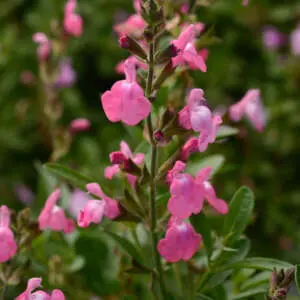
Compact Salvia plants suit pots best. Look for Salvia varieties that reach around 30–50 cm, with a bushy shape and plenty of stems from the base. This will ensure they fill a container without feeling crowded. The Garden Express Salvia range includes many options described as dwarf or compact, which makes it easier to spot good candidates for balconies, courtyards, and front steps.
The Salvia Mirage Collection works well in pots because the plants share similar sizes and needs while still giving a mix of colours. The Salvia Cathedral Collection offers neat, small growing Salvia plants with long lasting flower spikes, ideal for lining a path or framing a doorway in matching containers.
Salvia Varieties For Borders & Backdrops
For garden beds, taller types of Salvias create layers and drama. Salvia varieties that reach 60–120 cm help build a strong middle or back line in a mixed border, so lower perennials, grasses, and edging plants sit comfortably in front. The deep blue flowers of Salvia Black & Blue or the hot pink blooms of Salvia Joan give that kind of backbone, with colour that carries from spring into the warmer months.
Upright forms like Salvia Lancelot suit more structured beds, where tall, straight flower spikes rise above silvery foliage. In looser cottage gardens, softer shapes fit better, so it helps to pick varieties that are free flowering or informal.
Salvia Varieties For Full Sun & Heat
Many Salvia plants thrive in full sun even in warm parts of Australia. When a garden has north or west facing beds, driveway strips, or open front yards, heat loving Salvias earn their space. Look for descriptions that mention strong performance in hot conditions or suitability for warm climates, along with classic notes like “full sun” and “well drained soil”.
To build a whole bed that copes with bright conditions, match these sun loving Salvias with other plants that enjoy similar light.
Drought Tolerant Salvia Varieties
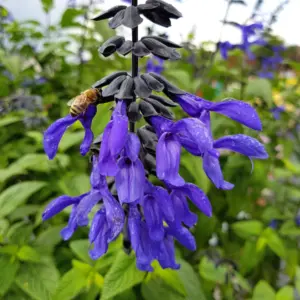
Salvia plants are known as drought tolerant perennials once their roots settle in, and some handle dry spells extremely well. Varieties such as Salvia Black & Bloom and Salvia Black & Blue are noted for strong performance in heat, low water, and even a bit of humidity, which makes them reliable choices for many Australian gardens.
For a tough, low maintenance planting, combine resilient Salvia varieties with other waterwise species. The Garden Express guide to ‘Drought-Proof Plants For Summer’ is a handy resource with ideas on shrubs, perennials, and feature plants that share similar needs.
How To Grow Salvia In Pots
Choosing The Right Pots & Soil For Salvia Plants
Salvia plants need pots with room to grow and plenty of drainage. Aim for containers around 30–40 cm wide for compact varieties, with large drainage holes at the base.
For best results, choose a premium potting mix with added fertiliser to give your plants a steady supply of nutrients as they establish.
Planting And Spacing Salvias In Containers
- Water the plant in its nursery pot.
- Slide it out gently and loosen the roots a little.
- Set it in the new pot at the same depth.
- Backfill with mix, firm it lightly, and leave a few centimetres at the top for watering.
Most compact Salvia plants look best on their own in a medium pot. In larger bowls, three plants spaced evenly will fill out into a neat, rounded display. For a simple colour scheme, pick two or three matching varieties and repeat them across your containers.
Watering & Feeding Salvia In Pots
Water when the top layer of soil feels dry to the touch, ensuring you soak it well so moisture reaches the roots. Pots in hot, exposed spots may need watering most days in summer, while shaded or sheltered spots settle into a slower rhythm.
Give potted Salvias a light liquid feed every few weeks in spring and early summer. Choose a fertiliser for flowering plants and follow the label rate. A light trim after each big flush of flowers encourages fresh growth and more blooms.
Using Salvias In Garden Borders
Planting Salvias In Mixed Borders
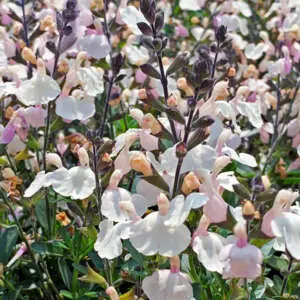
Salvia plants enjoy a sunny spot with well drained soil. Pick an area that receives at least six hours of light a day and avoid places where water pools after rain. Work compost or well rotted manure into the soil before planting so roots can move through easily.
Set taller Salvia varieties toward the middle or back of the bed and keep compact forms near the front. Leave enough space for each plant to form a natural mound without crowding its neighbours.
Salvia Companion Plants & Colour Combinations
Salvias team up well with:
- Grasses and strappy plants for movement and texture.
- Roses for a classic look, with Salvias filling gaps between shrubs.
- Lavender and other sun lovers for a soft, Mediterranean feel.
- Australian natives such as grevillea or kangaroo paw in warmer, drier gardens.
Blue and purple Salvias cool down bright borders and sit nicely with white flowers and silvery foliage. Red and hot pink Salvias pair well with orange, yellow, and deep burgundy for a stronger, more dramatic scheme. Repeating the same salvia colour in two or three spots across a bed helps tie everything together.
Keeping Salvia Blooms Going Through Spring
Regular deadheading keeps Salvia plants flowering. Once a flush of blooms fades, cut the flower stems back to a lower set of leaves so new shoots can form. Light pruning after each main flush keeps plants compact and encourages fresh growth.
Water deeply when the top layer of soil feels dry then allow it to drain. A layer of mulch around the base helps hold moisture and keeps roots cooler as the weather warms. Feed with a balanced fertiliser in early spring and again in late spring so plants have enough energy for strong flowering. Keep an eye out for pests like aphids on new growth and treat early if needed.
Common Salvia Problems & Quick Fixes
A few quick checks solve most Salvia issues.
- Drooping plants: Water deeply, improve drainage, and add mulch to keep roots cool.
- Few or no flowers: Move plants into more sun, feed with a low nitrogen fertiliser, and deadhead old spikes.
- Leggy, woody growth: Cut plants back by one third after flowering to encourage fresh, bushy shoots.
- Powdery mildew or spots: Improve air flow, avoid wetting foliage, and use an appropriate fungicide if the problem lingers.
Add Colour To Your Garden With Salvia Plants From Garden Express
Salvia plants make it easy to keep a garden bright throughout the year. They bring long spikes of colour, cope well with warm weather, and fit into pots, borders, and small spaces without much fuss. A few well chosen Salvia varieties can turn a plain bed or cluster of containers into a colourful display that keeps bees and birds visiting for months.
With compact types in pots and taller forms in garden beds, it’s simple to build layers of colour that keep working from one season to the next. Drought tolerant Salvia varieties mean less time worrying about water and more time enjoying the garden.
To start planning, explore the Garden Express Salvia range and pick a mix that suits your space, sun level, and preferred colours.
Salvia FAQ
What Are The Easiest Salvia Varieties To Grow?
Compact perennial Salvia varieties with strong heat tolerance are usually the simplest.
How Often Should I Water Salvia In Pots?
Water when the top few centimetres of potting mix feels dry. In warm weather this can mean every day or two, while cooler periods need less frequent watering.
Can Salvia Survive Dry, Hot Conditions?
Many Salvia plants are drought tolerant perennials once established and cope well in full sun. Good drainage, mulch, and deep but occasional watering help them handle heat.
How Do I Encourage Continuous Flowering In Salvia Plants?
Remove spent flower spikes regularly and give plants a light trim after each big flush. Feed in spring and early summer and keep water consistent so Salvias have the energy to keep blooming.
Do Salvia Plants Grow Back Every Year?
Some Salvia plants behave like perennials in many Australian gardens and keep coming back each year. Others are grown as short lived bedding plants. Check the label or product description so you know what to expect in your climate.
Can I Grow Salvia Plants From Cuttings?
Yes, many Salvias grow well from soft tip cuttings. Take short pieces of non flowering stem in the warmer months and place them in a small pot of free draining mix. Keep them moist and out of harsh sun until new growth appears.



Comments are closed.