
Shade Plants Australia | Create A Tropical-Look Garden With Clivia, Ferns & Hostas
There’s something magical about turning a forgotten shaded corner into a leafy retreat with the right selection of plants. The secret is to choose varieties that create a lush, tropical feeling without demanding full sun.
Think about the mood you want to create before choosing each plant. Broad foliage can make a space feel generous and full, while fine leaves add movement. Rich green tones help a quiet corner feel cool and calm. With the right mix, a shaded patio, side path, verandah or tree-canopy bed can become one of the most charming parts of the garden.
Clivia, ferns and hostas are a beautiful trio for this style of planting. Clivia brings evergreen structure and seasonal flowers. Ferns add softness. Hostas give shady beds broad, patterned foliage.
Why Shaded Spaces Suit A Tropical Look
Shaded areas already have the calm, sheltered feeling that tropical-style planting needs. The light is softer, the soil often stays cooler and leaf colours look richer away from harsh afternoon sun.
This makes foliage the main event. Glossy strappy leaves, fine fern fronds and broad hosta foliage can turn a plain low-light corner into a cool, green retreat.
A good tropical-look shade garden works because every plant has a purpose. Garden Express’ collection of shade-loving plants is a helpful starting point for comparing foliage, flowers and texture for low-light areas.
Start With The Shade You Have
Dappled Shade
Dappled shade sits under open tree canopies where sunlight filters through the leaves. It is one of the easiest settings for this style because plants receive gentle light without the hottest afternoon sun.
Part Shade
Part shade usually means a few hours of sun, often in the morning, with protection later in the day. Hostas often appreciate this balance, especially in cooler and temperate regions.
Full Shade
Full shade can support a lush garden when the soil is prepared well. Ferns and Clivia are especially useful where the position is sheltered and the soil holds some moisture.
Dry Shade
Dry shade is common under mature trees and along narrow fence lines. Compost, mulch and deep watering matter because tree roots compete for moisture. Clivia is often practical here once settled.
Moist Shade
Moist shade gives the most convincing tropical effect. A cool bed near a fence or protected courtyard edge can support fuller foliage, especially when the soil is rich and well drained.
The Star Plants For A Tropical Shade Garden
Hostas For Broad Leaves & Shaded BordersWhere Hostas Work Best
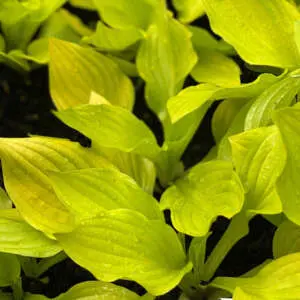
Hostas bring the bold foliage. Their leaves can range from deep green and blue-green through to gold, cream-edged and variegated patterns. These tones help lift darker corners without relying on flowers. Use hostas at the front of a bed, beside a path or in feature pots on shaded verandahs. The Garden Express Hostas range is a helpful place to browse seasonal varieties for shaded beds, borders and pots. For more information, you can read more in our Hosta guide. Care Notes For HostasHostas like moist, well-drained soil with plenty of organic matter. Morning sun and afternoon shade often work well. In warmer areas, keep them protected and water consistently during active growth. Protect young leaves from snails and slugs. |
Clivia For Bold Flowering Structure
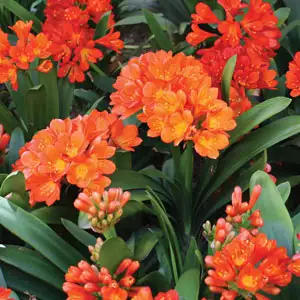
Where Clivia Works BestClivia is a popular plant for helping to achieve tropical style shade. Its dark green strap-like foliage forms neat clumps that give shaded beds structure even when it is not in flower. It suits under-tree planting, deep verandahs, shaded borders and larger pots. For a bright seasonal lift, Clivia Orange suits part shade, pots and dry shaded positions, with glowing orange flowers in spring once mature. Care Notes For CliviaClivia prefers filtered light, well-drained soil and a frost-free position. Water lightly through the cooler months, then increase watering during warm dry weather. Avoid frequent root disturbance. |
Ferns For Soft Texture & MovementWhere Ferns Work BestFerns create the atmosphere. Their fronds catch soft light, hide bare soil and soften paving, steps and pots. Use them behind Clivia, between hosta mounds or in shaded containers.
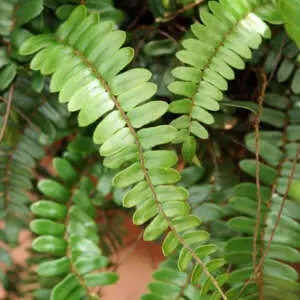
For product-led internal links, Pellaea Sickle Fern is a low-growing native option for shaded gardens, ferneries and containers. Cyathea Rough Tree Fern adds a larger feature layer where there is space, shade and moisture. Gardeners can also browse the wider Garden Express fern collection. Care Notes For FernsMost ferns prefer cool shade with moisture around the roots. Keep mulch topped up, water deeply during dry spells and trim tired fronds so each plant keeps a fresh shape. |
Designing Your Tropical Shade Garden
Build From Back To Front
Start with the tallest structure at the back or centre of the bed. This might be a tree fern, taller fern grouping or existing shrub. Place Clivia through the middle layer, then bring hostas forward.
Repeat Plants For Rhythm
Repetition makes a shaded garden feel planned. Three Clivia clumps along a path will usually look stronger than one plant sitting alone. A repeated hosta shape can guide the eye, while ferns weave between layers.
Mix Leaf Shapes
This combination works because the leaves are so different. Hosta leaves are broad, fern fronds are fine, and Clivia foliage is upright. Together, these shapes create a lush, collected feel.
Keep The Colour Palette Simple
An all-green garden can feel peaceful and fresh, especially when you mix glossy, matte, blue-green and lime-toned foliage. Add orange or yellow Clivia flowers as seasonal highlights.
Use Pots Where Garden Beds Are Limited
Pots are perfect for shaded patios, balconies and verandahs. Try one large hosta as the feature, add ferns in nearby containers and place a Clivia pot where its flowers can be enjoyed from the house.
Growing Tips For A Thriving Shade Garden
-
Prepare Moisture-Retentive Soil
Good soil is the difference between thin shade planting and a lush garden bed. Work compost through the soil, remove old roots where possible and check that water drains away after rain.
-
Water Deeply In Dry Weather
A quick splash over the surface rarely reaches the root zone. Water slowly and deeply, especially under trees and eaves. Ferns and hostas need consistent moisture, while established Clivia can handle shorter dry periods.
-
Mulch Before Summer Heat Arrives
Mulch keeps roots cooler, slows evaporation and helps suppress weeds. Use an organic mulch and leave breathing room around plant crowns, especially for hostas and ferns.
-
Feed Lightly In Spring
Top-dress beds with compost or well-rotted organic matter in spring. Hostas appreciate balanced slow-release fertiliser as new shoots appear. Ferns respond well to steady moisture and gentle feeding.
-
Check For Snails & Slugs
Hostas are the main plant to watch after rain and in damp corners. Check new leaves regularly, remove hiding spots where possible and use your preferred snail and slug control early in the season.
Shop The Look At Garden Express
Start with Clivia for year-round structure and late winter to spring colour. The Clivia range is useful for comparing flower tones, and Clivia Orange is a strong option for classic warm colour.
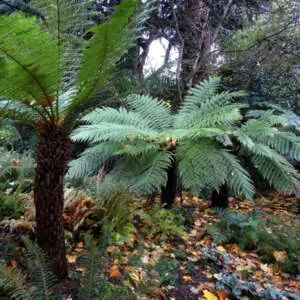
Add soft movement with ferns. Pellaea Sickle Fern suits shaded garden beds, containers and ferneries, while Cyathea Rough Tree Fern can create a taller feature where there is room and consistent moisture.
Use hostas to brighten the foreground with patterned foliage. The Garden Express Hosta Range offers many practical options showcasing multiple varieties with different leaf colours and forms.
Bring Your Shaded Corners To Life
Clivia, ferns and hostas make a reliable trio for gardeners looking for shade plants that can grow in cool, sheltered and moisture-retentive spaces. Choose the right shade, improve the soil, repeat strong foliage shapes and add seasonal colour where it will be noticed.
Start with Garden Express’ shade-loving plants range, then build structure. Add ferns for softness and hostas for bold leaf texture. A carefully planned shaded corner has the potential to become the greenest and calmest part of any garden.
FAQ Shade Plants Australia
What Are The Best Shade Plants Australia Gardeners Can Use For A Tropical Look?
Clivia, ferns and hostas are a strong combination for a tropical-look shade garden. Clivia adds strappy evergreen structure and seasonal flowers, ferns bring soft layered texture, and hostas provide broad foliage in green, blue-green, gold and variegated tones.
Can I Grow Clivia, Ferns And Hostas Together In The Same Garden Bed?
Yes, provided the bed has shade, improved soil and enough moisture. Use Clivia through the middle layer, hostas near the front or in feature clumps, and ferns between or behind them for texture.
Which Of These Plants Is Easiest To Grow In Australia?
Clivia is usually the most forgiving once established. It handles low-light conditions, needs minimal care and can cope with short dry periods. Ferns and hostas are also rewarding when the soil stays moist and well drained.
Do Hostas Grow Well In Australian Climates?
Hostas perform especially well in cool to temperate regions. In warmer areas, grow them in a sheltered position with morning light or dappled shade, protect them from harsh afternoon sun and keep the soil moist during active growth.
When Does Clivia Bloom In Australia?
Clivia usually flowers from late winter to early spring, often around August to October depending on local conditions. Its bright blooms are useful in shaded areas before many warm-season plants reach their peak.



Comments are closed.