
Hydrangeas In Australian Summers – Shade, Watering & Soil Tips
Hydrangeas bring a relaxed classic feel to any Australian garden. Big blue, pink or white blooms light up shady paths and look welcoming in a wide pot by the front door. The fresh green leaves make the whole space feel cooler on a warm afternoon.
When conditions slip out of their comfort zone hydrangeas start to show it. Leaves can droop, flower heads can brown off early and new growth can slow right down. The three things that matter most in summer are light, water and soil.
A little knowhow about hydrangea care goes a long way. With the right mix of soft shade, steady watering and soil that holds moisture without turning muddy, plants stay full of colour and bounce back after hot days. Add in smart choices with pots and gentle pruning, and you can enjoy strong, healthy hydrangeas that flower well for many summers.
Understanding Hydrangeas In The Australian Climate
Heat, Humidity & Hydrangeas
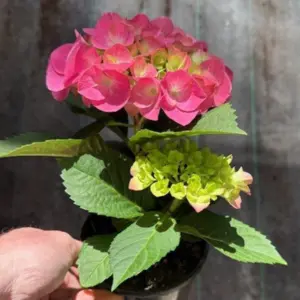
Australian summers often bring hot days, strong sun and drying winds. Hydrangeas carry big thin leaves and large flower heads, so they lose water fast and show stress through drooping foliage, crisp edges and flowers that fade early.
Most garden hydrangeas stay comfortable with daytime temperatures in the low to mid 20s. Short warm spells are fine when soil stays moist and plants have some protection from the harshest sun. Moderate to high humidity helps keep leaves fresher, which is why sheltered, slightly humid spots tend to give better flower displays.
Coastal, Inland & Tropical Gardens
Coastal gardens usually offer milder air, higher humidity and sandy soils. Hydrangeas often need extra organic matter and more frequent watering in these areas. Inland runs hotter and drier so plants respond well to deeper shade in the afternoon, thicker mulch and protection from hot winds. In tropical and subtropical regions, hydrangeas perform best in very sheltered, shaded positions with rich soil that never dries out completely.
Choosing The Right Shade For Summer Hydrangeas
How Much Sun Hydrangeas Enjoy
Hydrangeas cope best with a gentle start to the day. A few hours of morning sun helps plants stay compact and covered in flower heads. From lunchtime onward they prefer filtered light or full shade, especially in the hotter parts of Australia.
Good spots include the eastern side of a house, a garden bed near a light screen of trees or a position that receives dappled shade through a pergola. In these places the soil stays cooler and leaves hold their colour for longer.
Harsh afternoon sun can scorch petals and turn leaves crisp at the edges, particularly during a run of hot days. Deep, dry shade can cause problems as well, because plants stretch for light and produce fewer flowers. Aim for something in the middle: bright conditions without the sting of strong sun after midday. If you’d like more ideas for filling softer light positions, take a look at Garden Express’s range of shade loving plants.
Hydrangeas In Pots For Flexible Shade
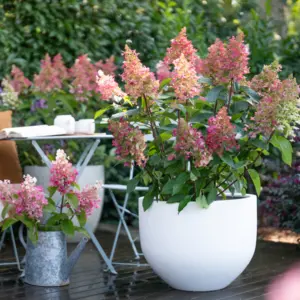
Hydrangeas in pots suit patios, balconies and small courtyards, and they give you more control over summer light. A large, well drained container on wheels or a sturdy plant stand makes it easy to slide a plant deeper into shade when a heatwave arrives.
A wide pot near the front door works well when it receives gentle morning sun from the side and falls into shade during the afternoon. Potted hydrangeas also sit nicely among other containers in a shaded corner, where the group helps create a cooler microclimate.
Choose strong, healthy plants and a quality potting mix suited to flowering shrubs. For inspiration on colours and flower shapes, explore the Garden Express hydrangea range.
Summer Watering For Hydrangeas In Australia
Setting Up A Summer Watering Routine
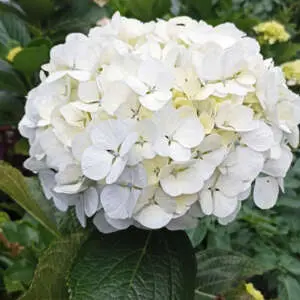
Hydrangeas carry big leaves and large flower heads which means they rely on steady moisture, especially in an Australian summer. In garden beds a deep soak two or three times a week usually works well. Aim for water that reaches at least a hand span into the soil rather than a quick splash on the surface.
Early morning watering gives plants time to drink before the heat arrives. On very hot days, an extra drink in the early evening helps them recover. Potted hydrangeas dry out much faster than plants in the ground. Check the potting mix with your finger every day during a warm spell and water whenever the top few centimetres feel dry.
Hydrangea care in Australia works best when watering matches the local conditions. Coastal gardens with lighter sandy soils often need more frequent watering than cooler, sheltered gardens with heavier loam. For more detail on setting up a summer routine, Garden Express has a handy guide on watering plants in summer.
Watering Techniques That Keep Roots Happy
Hydrangeas prefer water delivered straight to the root zone. Use a watering can or hose with a gentle rose and direct the flow at the soil, not over the foliage. This helps more water reach the roots and keeps leaves drier, which lowers the chance of fungal issues.
A slow trickle that soaks in is kinder on the plant than a hard spray that runs off. Soaker hoses or simple drip systems around the base of the shrubs make summer care easier and keep moisture levels more even. In pots, let excess water drain freely from the holes in the base so roots stay moist without sitting in a saucer of water for long periods.
Getting The Soil Right For Summer Hydrangeas
Well Drained, Moist Soil For Healthy Growth
Hydrangeas like soil that stays moist for a while after watering then slowly dries out. A mix with plenty of organic matter gives that nice balance. Think crumbly garden beds that smell earthy when you dig rather than tight clay or pale powdery sand.
Before planting work in compost or well rotted manure through the top spade depth of soil. This feeds the plant and helps the ground hold water through summer. In heavier clay adding coarse sand and gypsum improves drainage. In very sandy gardens thicker layers of compost and mulch help water hang around the root zone for longer.
Healthy soil pays off in stronger stems, larger flower heads and richer colour. When plants receive that support from below, they cope better with a few tough days of heat. You can see the range of varieties that suit garden beds and containers in the Garden Express hydrangea collection.
Mulch To Keep Roots Cool
A good mulch layer makes a big difference to hydrangea care in Australia. Spread organic mulch 5 to 7 centimetres thick around the base of each shrub, leaving a small gap around the main stems. Pea straw, sugar cane mulch or fine bark all work well.
Mulch shades the soil surface, which slows evaporation and keeps roots cooler. It also helps stop weeds competing for water. Over time, the mulch breaks down and adds more organic matter to the bed, so the soil improves every season. Top up the layer in spring or early summer before the hottest weather arrives.
The Connection Between Soil Ph & Flower Colour
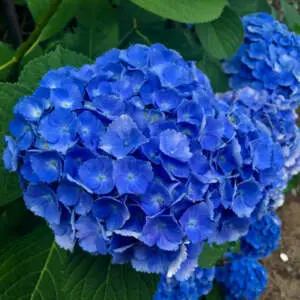
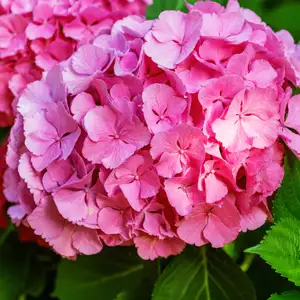
Flower colour in many hydrangea varieties shifts with soil pH. Acidic soil often brings out blue tones, while more alkaline soil leans toward pink. White varieties usually stay white, no matter what the pH does.
Gardeners who enjoy experimenting can use specialised hydrangea fertilisers or “blueing” and “pinking” products to steer the colour in one direction. The main goal is to keep soil healthy, moist and well drained, then colour adjustments sit on top of a strong reliable plant.
Hydrangeas In Pots Need Extra Summer Care
Picking The Right Pot & Mix
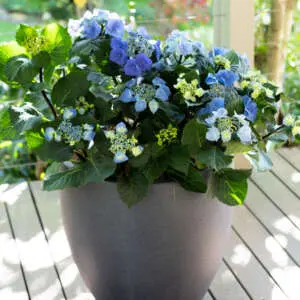
Hydrangeas enjoy life in a container when they have enough room. A pot about half a wine barrel in size gives the roots space to spread and holds more moisture through hot weather. Strong handles or a trolley under the pot make it easier to shuffle plants into deeper shade on very bright days.
Choose a quality potting mix made for flowering shrubs. These mixes drain freely, hold nutrients and often include a wetting agent, which helps water soak in rather than run straight out the sides. Fresh mix at planting time gives a strong start, then a light top up every year keeps it in good shape.
Position potted hydrangeas where they receive gentle morning sun and shade later on. A verandah, covered patio or sheltered balcony all work well. For colour ideas and variety details take a look at the Garden Express hydrangea range.
Watering & Feeding Hydrangeas In Pots
Potted hydrangeas feel summer faster than plants in the ground. Check moisture most days when the weather warms up. Press a finger into the surface of the mix. If it feels dry a couple of centimetres down it’s time for a drink. Water slowly until you see a steady trickle from the drainage holes.
Liquid feed every four to six weeks through the growing season with a fertiliser suitable for flowering shrubs. This keeps growth steady and supports a long flush of blooms. In late spring, add a thin layer of fresh potting mix and a collar of mulch on top to help the mix hold water.
Make sure saucers empty after watering. Hydrangeas like even moisture, and long periods in standing water can leave roots without air. A short soak is fine then tip out any leftover water.
Hydrangea Pruning & Seasonal Maintenance
Light Tidy Ups In Summer
Hydrangeas often look their best when they receive small touch ups through the warm months. Spent flower heads can stay for winter interest, although many gardeners prefer to trim them once they start to brown. Use clean secateurs and cut back to a strong pair of buds lower on the stem.
Remove leaves that have burnt or torn in the wind. This keeps the plant tidy and gives more airflow through the middle of the shrub. A quick check while watering works well. Look for any stems that have died back and prune those to healthy wood.
When To Do Bigger Pruning Jobs
Heavy pruning suits cooler times of the year. Many classic mophead and lacecap hydrangeas flower on older wood from the previous season. A simple approach is to keep green healthy stems that held flowers and remove a small number of the oldest thickest canes at ground level each year.
Some newer varieties often flower on fresh wood. These types can handle a stronger cut, with stems taken back to a framework of shorter branches. Variety tags and supplier notes help with timing, so it’s worth checking what you have before you start chopping.
Regular clean ups, a gradual refresh of old stems and an eye on variety needs keep shrubs compact, leafy and full of blooms. Healthy foliage and reliable flowering also make hydrangeas great anchors for shady borders filled with other foliage plants like hostas and ferns.
Designing A Cool Shady Corner With Hydrangeas
Layering Shade Lovers
Hydrangeas sit nicely at the back or middle of a part shade bed. Their height and big flower heads draw the eye, while lower plants fill the spaces around their feet. Hostas, clivias, lomandra and woodland style perennials create a soft, layered look.
Place one or two hydrangeas as feature shrubs then plant a sweep of hostas along the front edge for bold foliage. A few compact grasses or groundcovers between them help tie the whole planting together. With the right mix, the area feels cool and calm even on a hot afternoon.
For extra plant ideas that enjoy similar conditions, explore Garden Express shade loving plants. The range covers flowers, ferns and foliage plants that thrive in softer light.
Mixing Pots & Garden Beds
Containers are handy when a garden lacks deep beds. A large potted hydrangea beside a doorway, paired with smaller pots of hostas and other shade lovers, can give the sense of a full border. Grouping pots also creates a little pocket of cooler air around the plants.
Repeat colours and textures through the group. For example blue hydrangeas with blue glazed pots, or white hydrangeas with pale hosta leaves and light terracotta. Small details like this make a simple corner feel planned and welcoming.
Hydrangea Care Checklist
- Pick a position with morning sun and gentler light later in the day.
- Keep soil moist, well drained and full of organic matter.
- Add 5 to 7 centimetres of mulch around the base to keep roots cool.
- Water deeply a few times a week in the ground, and check pots more often.
- Use a flowering shrub fertiliser in spring and early summer.
- Tidy plants with light pruning in summer and save bigger cuts for the cooler months.
- Pair hydrangeas with other shade loving plants for a full, cool looking border.
Strong summer care leads to shrubs that stay leafy, bounce back after hot days and carry more flowers each year. When you’re ready to add to your collection or try a new colour, you can browse the Garden Express hydrangea collection and pick varieties that suit your space.
Hydrangea Care FAQs
How often should I water hydrangeas in Australian summers?
Give in-ground hydrangeas a deep soak two or three times a week during hot weather, watering in the morning. Hydrangeas in pots dry out faster, so check the mix often and water when the top feels dry.
Where should I plant hydrangeas so they cope with the heat?
Pick a spot with morning sun and softer light later in the day, such as the eastern side of a house or under light tree cover. Avoid harsh western aspects and very dry, deep shade.
What soil do hydrangeas like in Australia?
Hydrangeas grow best in soil that’s moist, well drained and rich in compost or other organic matter. Improve heavy clay with gypsum and coarse material, and boost sandy soil with plenty of compost and mulch.
When should I prune hydrangeas?
Tidy plants in summer by removing spent flower heads and any damaged growth with clean secateurs. Save bigger pruning for the cooler months and follow the advice for your variety, which you’ll find on labels and on the Garden Express hydrangea page.



Comments are closed.