
Autumn Citrus Care In Australia: Feeding, Watering And Pest Watch
Autumn is a rewarding season for citrus growers. Fruit is colouring up, flavours are developing, and branches are often heavy with lemons, limes, mandarins and oranges. It’s also a time when steady care pays off. A tree that’s fed well, watered properly and checked regularly for pests is far more likely to carry healthy fruit and stay in good shape through the cooler months.
For gardeners focused on citrus care Australia wide, autumn is about maintaining momentum. Soil can still dry out faster than expected, pots often need closer attention, and common citrus pests can linger while fruit ripens. A few well-timed jobs now can help keep your citrus tree care routine on track as the season rolls on.
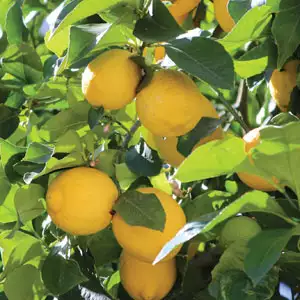
Autumn Is An Important Season For Citrus
Autumn is when many citrus trees are putting their energy into ripening fruit while still supporting healthy leaves and roots. That makes the season feel productive in the garden, though it also means trees need consistent care to keep performing well.
In many parts of Australia warm days can roll on well into autumn, especially for trees growing in full sun or in sheltered spots near walls and fences. Soil can still dry out more quickly than expected, potted citrus can lose moisture fast, and hungry trees often show it through pale leaves or smaller fruit. Keeping conditions steady through this period helps give your trees a better foundation heading into winter.
Autumn is also a smart time to pay closer attention to what’s happening on the tree itself. Ripening fruit, fresh flushes of growth, and lingering pest activity can all show up at once, especially on lemons and limes. That’s why feeding, watering, and pest checks still matter. They help citrus stay healthy, productive, and far less likely to slide into stress late in the season.
Feeding Citrus Trees In Autumn
Autumn feeding helps citrus trees keep up with the demands of ripening fruit, healthy foliage and steady root activity. When a tree has access to the nutrients it needs, fruit tends to develop better size, colour and flavour, and the tree is more likely to stay vigorous as the weather cools.
One well-timed autumn feed is often enough for many home gardens, especially when paired with healthy soil and mulch. In warmer areas, or for trees carrying lots of fruit, a follow-up application may also help. It’s always worth matching the timing to the needs of the tree, your local climate and the fertiliser you’re using.
What To Feed Citrus Trees In Autumn
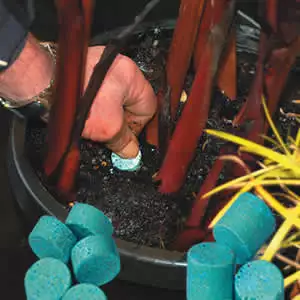
A quality citrus fertiliser is usually the best option because it’s designed for the needs of fruiting trees. Look for a product that supports leafy growth, fruit development and overall plant health, including trace elements that help prevent yellowing foliage.
For gardeners growing several fruit trees at home, a well-balanced fertiliser suited to edibles can also work well. The key is to feed consistently and follow the product directions rather than applying too much in one go.
Signs Your Citrus Tree Needs Feeding
Citrus trees are fairly good at showing when they need extra support. Keep an eye out for:
- pale or yellowing leaves
- weak growth
- smaller fruit than expected
- reduced glossiness in the foliage
These signs can show up on lemons, limes and mandarins, especially if the tree has been carrying a heavy crop.
Watering Citrus Trees In Autumn
Autumn can feel milder, though citrus trees still need reliable moisture while fruit is ripening. If the soil swings from very dry to very wet, fruit quality can suffer and trees often show stress through leaf drop, dull foliage, or smaller fruit.
How Often To Water Citrus Trees In Autumn
Most citrus do best with deep, thorough watering when the soil starts to dry out, rather than light daily sprinkles. In-ground trees usually need less frequent watering than they did in summer, though that depends on your climate, soil type, and recent rain.
A simple soil check is often the best guide. If the top few centimetres are dry, it’s usually time to water. If the soil still feels damp below the surface, leave it a little longer.
Deep Watering Helps Better Fruit Quality
A deep soak encourages roots to grow down into the soil, where moisture lasts longer. That helps trees stay steadier through warm autumn spells and supports healthier fruit development. Shallow watering tends to keep roots near the surface, which can make trees more vulnerable when conditions dry out.
Mulch Helps Citrus Trees Hold Moisture
A layer of mulch around the root zone helps slow evaporation, regulate soil temperature, and keep autumn watering more effective. Cane mulch, composted bark, or other organic mulches can all work well.
Keep mulch clear of the trunk so the base of the tree stays dry and well aired.
Signs Your Citrus Tree Needs More Water
Citrus usually tell you when moisture is falling behind. Watch for:
- curling or drooping leaves
- dry soil below the surface
- fruit dropping too early
- smaller fruit or thick, dry skins
Keeping moisture steady through autumn gives citrus a better chance to ripen well and stay healthy heading into winter.
Citrus Pests In Autumn To Watch Out For
Autumn is a key time to keep checking citrus trees closely. Fruit is ripening, growth can still be soft and fresh, and pests often take advantage of that combination. A quick look over the leaves, stems and fruit each week can help you spot trouble early and avoid more serious damage later on.
Citrus Leaf Miner On New Growth
Citrus leaf miner is one of the most common citrus pests home gardeners notice on fresh growth. The larvae tunnel through young leaves, leaving silvery trails and causing the foliage to curl or twist.
It’s mostly a cosmetic problem on mature trees, though repeated attacks can weaken young citrus and slow healthy growth. If you spot damage, remove the worst affected leaves if the infestation is small and keep the tree healthy with steady watering and feeding so it can grow strongly through it.
Scale And Sooty Mould On Citrus Trees
Scale insects often attach themselves to stems and the undersides of leaves, where they feed quietly and can be easy to miss at first. As they feed, they produce honeydew, which encourages black sooty mould to develop on leaves and stems.
If you notice sticky foliage, dark mould, or small shell-like bumps on the plant, scale is a likely cause. Treating it early helps protect leaf health and keeps the tree looking cleaner and more vigorous.
Aphids On Soft Citrus Growth
Aphids are another pest worth watching in autumn, especially if your citrus is still putting on fresh shoots. They cluster around soft new growth and feed by sucking sap, which can distort leaves and weaken tender tips.
A light outbreak can often be managed by washing them off with a firm spray of water or pruning out heavily affected shoots. Keeping trees open and healthy also makes them less attractive to repeat infestations.
Regular Checks Make Citrus Pest Control Easier
The best citrus pest routine is a simple one you’ll actually keep up with. Check new leaves, inspect the undersides of foliage, look over stems, and pay attention to any marks on ripening fruit. Small problems are always easier to deal with when you catch them early.
Knowing When Citrus Fruit Is Ready To Pick
What To Look For
- Don’t rely on colour alone. Some fruit colours up before the flavour is fully developed.
- Pick up a fruit and check the weight. Ripe citrus should feel heavy for its size and nicely filled with juice.
- Taste one fruit before harvesting the lot. If the flavour is full, juicy and balanced, the rest of the crop is usually close behind.
Timing Matters
Leaving ripe fruit on the tree too long can affect texture and put extra strain on the plant. Regular picking makes lemon tree care and lime tree care easier because you’ll spot damaged fruit and pest issues sooner.
How To Harvest Properly
- Pick fruit cleanly so you don’t tear the skin or damage the branch.
- If the fruit doesn’t come away easily by hand, use secateurs.
- Careful harvesting helps keep both the fruit and the tree in better condition.
Citrus Varieties To Explore For Your Garden
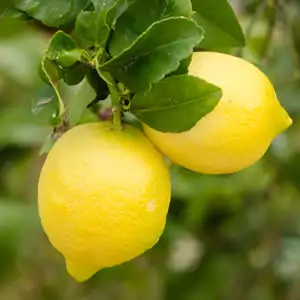
Lemon Eureka
If you want a reliable backyard staple, Lemon Eureka is a strong place to start. It’s the ideal lemon for the home garden, producing an abundance of large fruit with high juice and acid content. It also suits full sun and can be pruned to around 2 metres, which makes it a practical choice for many Australian backyards.
Tahitian Lime
For patios, courtyards, and smaller spaces, Tahitian Lime is a smart pick. It’s well suited to Australian conditions and produces thin-skinned, seedless fruit. It can also work well in a pot if you use a quality mix and keep watering consistent.
Imperial Mandarin
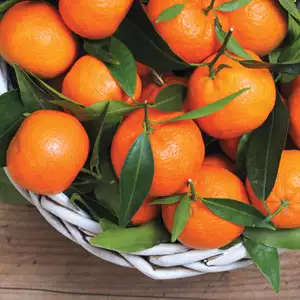
If you’d like an easy, family-friendly citrus with broad appeal, Imperial Mandarin is a smart choice. This is an early ripening Australian hybrid with sweet, delicious fruit, excellent colour and flavour, and skin that’s easy to peel. The Imperial Mandarin suits a full sun position in well-drained soil and can be pruned to around 2 metres, so it’s a practical option for many home gardens.
Garden Express Has Healthy Citrus For Better Harvests
A little attention through autumn can make a real difference to the way citrus trees look, grow and crop. Steady feeding, sensible watering and regular pest checks all help support healthier plants and better fruit as the season rolls on.
If you’re ready to add a new tree or expand your home orchard, explore the full Garden Express citrus range for lemons, limes, mandarins and more suited to Australian gardens.
Autumn Citrus Care FAQs
How Often Should I Water Citrus In Autumn?
Water deeply when the top few centimetres of soil feel dry. Potted citrus usually need more frequent watering than trees in the ground, especially during warm autumn spells.
What’s The Best Fertiliser For Citrus Trees In Autumn?
A quality citrus fertiliser is usually the best choice because it supports fruiting, leaf health and overall tree vigour. Follow the label directions and avoid overfeeding.
What Are The Most Common Citrus Pests In Autumn?
Common citrus pests in autumn include citrus leaf miner, scale, aphids and fruit fly. Regular checks on new growth, leaves and ripening fruit make problems easier to catch early.
Can I Still Feed Lemon And Lime Trees In Autumn?
Yes, autumn is still a good time to feed citrus, especially while fruit is ripening and the tree is working hard. Lemon tree care and lime tree care both benefit from a well-timed autumn feed to support healthy foliage and better fruit quality.
When Is Citrus Fruit Ready To Pick?
The best way to tell is by checking more than colour alone. Ripe citrus should feel heavy for its size, and the flavour should taste full and balanced when you test one fruit.



Comments are closed.